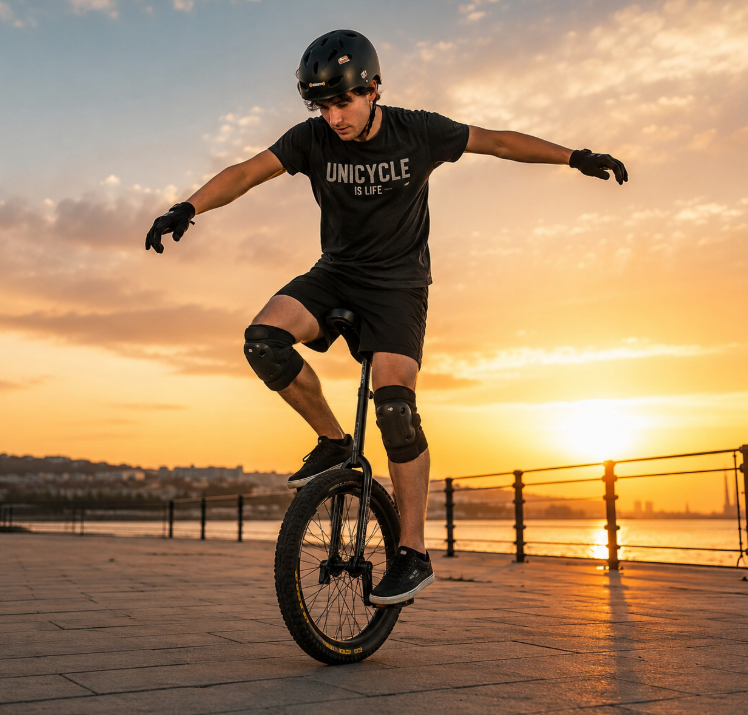
Unicycle Training Guide for Better Control and Stability
Control and stability are the heart of unicycle riding. Without them, every movement tektekerbisiklet.com feels like a negotiation with gravity. A good training routine helps your body learn balance naturally, turning shaky starts into smooth, confident rides. Beginners should focus on basic riding skills first before attempting advanced tricks. Stability grows through repetition, patience, and smart practice habits. A stable ride begins with a controlled mount. Place the pedal in a slightly forward position and step onto it smoothly while keeping your body upright. Use a wall or pole for support if needed during early practice. Avoid jumping onto the seat too aggressively, as this can throw off balance. A clean, controlled mount sets the tone for the entire ride.
Core Balance Position
Your body position determines how stable your ride will be. Keep your back straight, shoulders relaxed, and eyes looking forward. Avoid leaning too far forward or backward. Small adjustments in your hips help maintain balance while riding. The goal is to stay centered above the wheel like a calm tower riding a rolling point of contact. Slow riding is one of the most effective ways to improve stability. Try pedaling at a controlled, steady pace without rushing. Focus on smooth circular pedal motion instead of jerky movements. If you feel unstable, make small corrections rather than large reactions. This teaches your body how to stabilize itself naturally during motion.
Wall Support Training Method
Using a wall or railing can significantly improve early control skills. Ride alongside the wall while lightly touching it for balance support. Gradually reduce reliance on the wall as confidence improves. This method allows you to practice movement without fear of falling. Over time, it builds independent stability. Stability is not only about staying upright but also controlling direction. Practice gentle turns by leaning slightly and guiding the wheel smoothly. Avoid sudden or sharp movements at first. Try riding in straight lines before moving to curves and zigzag patterns. Good steering control improves overall ride confidence.
Pedal Pressure Awareness
Uneven pedal pressure often leads to instability. Learn to apply smooth and consistent force while pedaling. Avoid over-pushing one side, as it can tilt your balance. Focus on rhythm and even motion between both feet. This creates a stable flow that supports long-distance riding. A strong core makes balancing much easier. Exercises like planks, squats, and balance holds improve stability on the unicycle. Leg strength also plays a big role in controlling pedal pressure. Better physical conditioning reduces fatigue during practice sessions. A stable body leads to a stable ride.
Recovery and Fear Control
Fear of falling can disrupt balance more than physical limitations. Practice in safe environments where falling is less intimidating. Wearing protective gear helps build confidence during training. Taking short breaks between sessions prevents fatigue-related instability. Calm focus improves coordination and learning speed. Control and stability improve through repetition and patience. Short, frequent practice sessions are more effective than occasional long ones. Each ride teaches your body small adjustments that build over time. With consistency, unicycling becomes smoother, more controlled, and more natural. Stability is not learned overnight, but it becomes effortless with steady training.